
selective focus photography of snake plant in vase

My name is Martha, I live in Springfield and this is my blog about everything homely

Smartphone showing cryptocurrency exchange app with bitcoin coins in the background, conveying digital finance.

Posted on

by

Security on the Go: How the Velodrome App Protects Your Crypto

When it comes to decentralized finance (DeFi), keeping your funds secure while trading quickly is just as important as making a profit. Velodrome app offers an easy-to-use, mobile-friendly DeFi app built on the Optimism network and Superchain, improving speed and reducing costs for users who are constantly on the move. What stands out most is…

February 2026
M T W T F S S
 1
2345678
9101112131415
16171819202122
232425262728  
  • Smartphone showing cryptocurrency exchange app with bitcoin coins in the background, conveying digital finance.

    Security on the Go: How the Velodrome App Protects Your Crypto

    When it comes to decentralized finance (DeFi), keeping your funds secure while trading quickly is just as important as making a profit. Velodrome app offers an easy-to-use, mobile-friendly DeFi app built on the Optimism network and Superchain, improving speed and reducing costs for users who are constantly on the move. What stands out most is the app’s strong focus on security, which helps users manage their crypto confidently wherever they are.

    What is Velodrome Finance?

    Velodrome Finance is a cutting-edge, automated market maker (AMM) and liquidity platform that brings together popular features from platforms like Curve, Convex, and Uniswap. Instead of only focusing on fast swaps, it’s also designed understand usability. You access Velodrome right through your mobile browser—no special hardware or separate mobile app required. Quick transaction speeds and low fees come built-in, thanks to layer-2 advancements like Optimism. But those perks don’t come at the expense of safety. The platform keeps crypto fans safe, offering reliable trading overseas, at home, or out and about.

    Security Measures: Safeguarding Your Crypto

    The backbone of Velodrome’s security relies on using advanced cryptography, protecting data both during storage and while sending it across networks. Even if someone tries to steal your login, the platform’s multi-factor authentication makes unauthorized access far harder. If one layer is breached, there’s always another gatekeeper in place.

    An additional strength is that Velodrome puts its smart contracts through strict third-party audits by specialists before making them public. Dedicated bug bounty programs constantly attract talented testers who are rewarded for pointing out security holes, ensuring patches happen swiftly. Automated tracking tools watch for threats and react quickly when danger surfaces, helping keep your assets secure as you trade.

    Ongoing Smart Contract Audits and Transparency

    Security at Velodrome is not a one-off job—regular checks are part of the process. Audit firms, like Spearbit and others, have thoroughly examined Velodrome’s code many times throughout 2023. The community sometimes helps test through contests, finding and reporting bugs before they can be abused.

    Velodrome publishes its smart contracts as open-source code, allowing both everyday users and technical experts to review or double-check the protection level. As a result, everyone can trust the foundation is genuine, not taken for granted, and gets updated as new threats pop up.

    The Advantages of Layer-2: Mobile Security Strengthened

    By using Optimism and other layer-2 systems, Velodrome enjoys faster trade settlement and low transaction costs—making trading on your phone just as safe as on desktop. Congestion issues, which often plague the main Ethereum network, are much less of a problem here.

    Velodrome uses special fraud detection methods to make sure transactions are honest and not faked. Checks are in place at different levels of infrastructure, so if a single part misbehaves, the whole system is not threatened. All of these tools work in real time, and they’re extremely helpful when you need fast and secure trading on mobile devices.

    Best Habits for User Protection

    For Velodrome users, security doesn’t stop at the platform itself—it also requires personal responsibility. The platform encourages people to use wallets that need multiple approvals, making high-value withdrawals much safer. Turning on two-factor authentication whenever you can adds another obstacle for hackers.

    Always make sure you’re on the correct Velodrome site before typing in any passwords or interacting with DeFi tools (bookmarking the real site is helpful). Real-time warnings can inform you if there’s any suspicious behavior, whether it’s a login from a new location or an unrecognized transaction. The ongoing bug bounty scheme keeps the community involved in hunting down new dangers.

    Learning from Incidents: A Stronger Platform

    Velodrome’s team has not been without challenges. In late 2023, a DNS issue let bad actors create a lookalike page of the official site, stealing from users who were tricked. Importantly, smart contracts and internal funds weren’t touched—only users who visited the fake pages were at risk.

    To handle this, Velodrome quickly launched investigations, improved their domain protections, and held out bounties to encourage white-hat hackers to help track down problems. Since then, there have been no big breaches, giving confidence that lessons have truly been learned and applied for the future. Because of this, users are more aware and careful before interacting online.

    Extra Mobile Safeguards

    Velodrome isn’t a standalone app you download, which reduces your risk of malicious installations on your phone. Everything operates right in your mobile web browser. The smart contracts behind the scenes perform at lightning speed and are carefully optimized to prevent stalls or overload on mobile connections.

    Session management helps by logging accounts out after time away; if your device is lost or stolen, this limits possible damage. Users can also take advantage of fingerprint or face ID, strengthening login protection while keeping access simple and convenient. At all times, your private key never leaves your control; Velodrome never stores your sensitive information on its own servers.

    Security and Governance Go Hand-in-Hand

    Velodrome involves its user community in important decisions. If big changes or upgrades to platform security are proposed, holders of special vote-escrowed tokens (known as veVELO) have their say. Every step of this transparent governance process is open for anyone to review.

    Discussion spaces like Discord or online forums bring users together so problems or vulnerabilities can be flagged as quickly as possible. Breaking up control among many users stops any single person or group from holding too much power over pooled funds, further protecting every user.

    Staying Ahead: Velodrome’s Security Roadmap

    The team isn’t stopping with what works today. Velodrome is moving ahead with new technology, cross-chain connections, and bridges that have already been examined and reviewed by security auditors. Extra insurance and coverage for possible unforeseen issues is on the table as a future addition.

    Regular audits, growing bug bounties, and keeps the team focused on patching leaks before they start hurting real people. Even downsides like threats from future technology—such as quantum computers—aren’t being ignored. Partnering with external experts grows the shield across the ever-evolving DeFi ecosystem.

    Why Pick Velodrome for Secure Mobile Crypto Trading?

    There are lots of ways to trade crypto, but Velodrome stands out because it cares about safety as much as speed and savings. From frequent code audits to transparent community decisions and comforting responses when facing problems, everything points towards trust and user protection.

    Despite the setbacks and the necessary learning along the way, users now report better confidence in Velodrome’s dedication to keeping their wealth protected against both online tricks and technical threats. If you’re looking for a secure and smooth crypto experience while trading out and about, Velodrome is easily one of the strongest choices available.

  • a man working on a scaffold at sunset

    Revolution in Height Work: Why Renting Mobile Scaffolding is Bern’s Smart Solution

    Mobile scaffolding with wheels is changing the game for people working at heights in Bern’s busy construction world. These practical towers, also called mobile Rollgerüste mieten, are making projects easier and safer. Moving them around is simple, especially in crowded places or when you need to change positions often. In this article, we explore what these mobile towers are, where they are used, rental facts from leading companies such as KUGE Bau AG, and insider advice so you can find out if this tool will help you with your next task.

    What Is Mobile Scaffolding?

    Mobile scaffolding, or Rollgerüste, is made to move around without hassle. Built from lightweight aluminum and mounted on sturdy wheels, these structures help you shift your work zone with hardly any effort. Forget about heavy, permanent scaffolding—these towers just roll wherever you need them. Instead of climbing up shaky ladders, they have built-in stairs so you can reach high areas safer and faster.

    The idea for rolling scaffolding goes back to early factory work indoors. Over time, they have evolved into modern designs, focusing on both security and function. Strict safety rules in Switzerland require features like railings, non-slip platforms, and a strong build to handle a load of up to 250kg. With heights ranging from a helpful 3 meters for small rooms, up to more than 14 meters (and even higher from specialists), you can pick what suits your site best. Their design with adjustable frames and supports means you can set them up safely, even on slanted or uneven floors so common in old Bernese buildings.

    Where Are Mobile Towers Used in Switzerland?

    Plenty of professionals make use of these rolling platforms. Painters use them to cover all parts of a ceiling or wall inside rooms and offices, moving the tower instead of climbing up and down ladders. Electricians enjoy the mobility, too, needing to place lights or run cables wherever they’re needed. Builders handling drywall can haul bulky plasterboard right up the safe stairs, making interior remodeling much easier.

    Janitors and building workers use them when cleaning windows or maintaining fire alarms in factories, while those setting up stages for events can arrange lighting or decorations quickly and securely. Mobile scaffolding is often preferred over expensive lifting machinery for jobs in warehouses—especially along tight aisles—because they save time and fit where big machines can’t.

    Recent studies have shown that these towers save a lot of labor time. When compared to traditional, fixed scaffolds, mobile versions cut assembly time by up to 70 percent. That’s a major plus on sites where every hour is expensive. From restoring historic Bern city buildings to working in local storage spaces, companies like KUGE Bau AG frequently rely on these versatile towers.

    ApplicationBest HeightTop AdvantageNotable Providers
    Painting/plaster3-8mQuick wall movingKUGE Bau AG
    Electrical jobs4-10mCarry tools easilyBoels
    Drywall installation5-12mHaul materials safelyGerüstpark
    Facility upkeep6-14mNarrow access pointsIndupro

    Demand for mobile scaffolding rentals is rising in the Bern and Fribourg regions, where KUGE offers a massive stock for speedy delivery. Customers are showing greater interest in towers with stairs, thanks to better safety and reduced accident risks—Switzerland records over a thousand scaffolding accidents per year, and many happen with ladders. Renting a small setup costs around CHF 100 a day, with discounts for longer rental periods, and options for professional setup or complete service—from free quotations to removal at project’s end.

    Other established companies, like DUWERAG from Winterthur, rent towers up to 10 meters while Indupro delivers roof-ready versions around Zurich and Bern. If you need equipment delivered across Switzerland for either short or long stretches, firms like rollgerueste-mieten.ch can help. Prices in Switzerland can be higher than in Germany due to strict national regulations, but the added fees bring extra peace of mind from detailed safety inspections.

    Common Challenges and Practical Tips

    Getting set up on uneven ground is a real issue, so stabilizers are often needed. Weather can also cause trouble: for taller towers used outside, wind can make things dangerous, and Swiss law demands that high towers are both anchored securely and standing on a steady surface.

    One myth is that “any ladder will do,” but built-in stairs make climbing far faster and much safer. There’s also some debate over assembling scaffolding without help. Mistakes in setup can cost—not just in safety but in fines that can reach CHF 10,000. That’s why lots of companies, including KUGE, advise bringing in trained specialists for setup and removal.

    Rentals come with big upsides: not only are you free from having to buy, store, or repair this bulky equipment, but you also tap into the latest safety enhancements. Technology is quickly improving, with options like electric wheels and intelligent stability systems on the horizon—helping to boost work efficiency by double digits within a few years.

    Ready to Rent? Here’s How

    It all starts with you figuring out what you need: how high to reach, using it inside or out, and for how long. You can contact a specialist, such as KUGE, to get a detailed, free quote in two days or less. Their pricing is straightforward—including cost of rental, delivery (which may be free in some areas), and assembly or breakdown services at a set cost.

    • Confirm that towers meet safety standards and pass inspection.
    • Choose a model with stairs for ease of movement and safety.
    • Arrange drop-off times to match your job schedule.
    • Make sure workers are briefed in safe handling.
    • Book a professional dismantling service for added convenience.

    Longer rental deals can knock up to 40 percent off the bill, and bundling with lifts or other gear can be smart for bigger sites.

    Renting mobile scaffolding really is a smarter, quicker, and safer way to handle high work in Bern and beyond. Thinking about your next project? Maybe it’s time to let a mobile tower take your work to the next level—without the risk. Contact KUGE and see just how much smoother your jobs become.

  • Cars are involved in a frontal collision.

    Legal Lifelines: How a Jersey City Car Accident Lawyer Helps Protect Your Finances

    If you’re involved in a car accident in Jersey City, it can feel like your day—and your finances—spin out of control. Busy streets quickly become stressful scenes with hospital visits, car repairs, and worries about missed work. Thankfully, a local car accident lawyer has the know-how to guide you through the legal process and make sure insurance companies treat you fairly. In this article, we’ll walk through the ways a Jersey City car accident lawyer can save you from financial trouble after a crash.

    Why Jersey City’s Roads Are So Dangerous

    Jersey City’s streets handle heavy daily traffic, which causes frequent car accidents. Key roads like Kennedy Boulevard, Route 440, and Tonnelle Avenue are packed almost all day, making collisions common. Some intersections, such as Tonnelle Avenue at Routes 1 and 9, are considered among the most hazardous in New Jersey.

    These busy roads become even riskier during rush hour, especially around Journal Square and PATH train stations where lots of commuters and pedestrians gather. This environment leads to a high number of crashes, including rear-end accidents, hit-and-runs, and incidents involving pedestrians.

    Knowing these accident hotspots and their risks can be a big help in figuring out who is responsible if you’re ever in a crash. Local lawyers are familiar with these dangerous areas, which is a big advantage in building successful legal claims.

    Common Injuries Suffered in Local Accidents

    The sudden impact of a car crash in Jersey City often causes more than just vehicle damage. Common injuries include whiplash, broken bones, injuries to the back or spine, and traumatic brain injuries. If two cars collide in a “T-bone” at an intersection, injuries can be especially serious, sometimes leaving people with broken wrists, ribs, or even serious permanent issues like paralysis or a loss of mobility.

    Even injuries that seem minor, like muscle strains, can lead to major medical costs over time. Victims frequently require hospital stays, surgeries, physical therapy, and extended time off work—all of which add up quickly. For these reasons, it’s very important to carefully track all injuries and treatments after an accident, as accurate medical records are needed when submitting an insurance or legal claim.

    What to Do Right After an Accident

    Your health and safety should always come first after a car accident. If possible, move away from danger, call emergency services, and get medical attention, even if you feel okay. Some car accident injuries take hours or even days to show up. New Jersey law also states that car accidents must be reported to police if anyone is injured or if property damages total at least $500.

    Exchange names, contact info, and insurance details with everyone involved, but do not say anything that could be considered an admission of fault. Snap photos of the vehicles, street signs, and any injuries. If you can, ask witnesses for their contact info, but avoid discussing the accident with them.

    Remember to speak carefully if insurance adjusters call. It’s best to talk to a lawyer first so you don’t accidentally say anything that could be used to reduce your compensation.

    New Jersey’s Laws on Car Accidents

    It’s important to know a few key laws that can affect your accident claim:

    • You have two years from the day of the crash to file a personal injury lawsuit. If you miss this deadline, you lose your right to seek compensation in court.
    • Claims involving city or municipal vehicles must be reported within 90 days.
    • New Jersey follows a modified comparative negligence law. This means you can receive compensation if you are 50% or less responsible for the accident, although your compensation will be reduced based on your portion of fault.
    • The state uses a “no-fault” system. This means your own insurance (PIP coverage) will pay your medical bills up to a point, regardless of who caused the crash. However, if your injuries are severe, you may have the right to sue the other driver for pain and suffering or higher damages.

    Both economic losses (like lost paychecks and medical bills) and non-economic damages (such as pain or loss of enjoyment of life) are recoverable if proven with the right evidence, such as medical records, expert statements, or personal journals.

    The Benefits of Working with a Local Lawyer

    Hiring a Jersey City car accident lawyer gives you a significant advantage. These attorneys understand not only the complexities of New Jersey law but also how local courts and insurance companies operate. Law firms with experience in Hudson County keep up with city-specific accident trends, gather evidence, and know which crash sites require extra investigation.

    A skilled attorney will gather police reports, traffic camera footage, and witness statements. They also consult with medical professionals and accident reconstruction experts to build a strong case. Many law firms charge no fees unless your case is successful, which means they are motivated to win fair compensation for you.

    Hiring a lawyer takes the burden of dealing with complex paperwork and constant calls from insurance adjusters off your shoulders. Instead, you can focus on recovery while an expert negotiates the best possible settlement—or prepares for a court fight if needed.

    How Lawyers Deal with Insurance Company Tactics

    Insurance companies often use strategies to delay or minimize payouts, such as offering a quick (and usually low) settlement, shifting blame, or dragging out the claims process until you accept less money. Sometimes they use things you’ve said after the accident or your social media posts against you to question your injuries.

    Your lawyer will help you navigate these tricks. They gather comprehensive evidence—such as detailed medical forms and records—and formally present these documents to challenge low offers. If needed, the legal team can push the insurer to pay what your claim is truly worth or even take the case to trial so you get maximum compensation.

    Types of Compensation You Can Get

    The money you can claim after a Jersey City car wreck generally falls into two categories:

    • Economic damages: This covers actual costs you’ve faced, such as hospital bills, prescription costs, therapy, replacing lost income, and any costs for ongoing care.
    • Non-economic damages: This includes pain, suffering, emotional distress, and overall changes to the quality of your life.

    In tragic cases that result in death, families can pursue wrongful death claims to cover funeral costs, loss of companionship, and loss of financial support. If several parties (like a trucking company, commercial vehicle owners, or local services) are involved, your lawyer will work to ensure all responsible parties contribute fairly to your settlement.

    Picking the Best Car Accident Attorney Near You

    Choose a lawyer who has a record of successful results within Jersey City, understands the local legal system, and puts a strong emphasis on helping clients on a personal level. Look for firms that clearly explain their fee structure, offer free case evaluations, and are upfront about how they plan to help you.

    Don’t wait too long. Acting quickly gives your attorney the best chance to collect important details and start building a strong claim right away.

    If you or a loved one are hurt in a Jersey City car accident, partnering with a capable local legal team can make all the difference—ensuring you get the help, support, and fair compensation you deserve.

  • Mexico’s Insulated Fortress: How Multipanel Warehouses Are Changing Nearshoring Storage

    Mexico is experiencing a rapid growth in its industrial sector, and at the center of this boom are multipanel warehouses. These structures offer strong protection against both extreme heat and the unpredictability that comes with increased industrial activity. Thanks to their insulated nature and quick assembly times, prefabricated multipanel warehouses are becoming essential to meet the demands of growing logistics operations, especially as more businesses seek closer locations for their operations, a trend known as nearshoring. In this post, you’ll learn how multipanel warehouses work, why they’re gaining popularity, their advantages, and how businesses can use them to gain a competitive edge.

    Understanding Multipanel Warehouses

    Multipanel warehouses, called “bodegas de multypanel” in Spanish, use special panels made from two steel sheets with a layer of insulating polyurethane foam sandwiched between them. Starting out in the 1990s in Mexico as simple prefab structures, they have since developed into high-performing buildings used for various commercial and industrial purposes. Companies like Multiformas Metálicas started perfecting these systems decades ago. The great thing about this construction is the thermal insulation it offers, helping businesses significantly cut down on cooling and heating expenses, which is especially valuable in Mexico’s diverse and sometimes extreme climates.

    Nearshoring Fuels Rising Popularity

    In recent years, the market for pre-engineered buildings in Mexico reached roughly USD 256.5 million and is expected to double by 2033, due to numerous companies relocating their factories and warehouses closer to countries where their customers are. This shift, known as nearshoring, has created the need for about 2.5 million new square meters of storage space every year—an astonishing figure. Regions such as Querétaro and Nuevo León have become central hubs for these structures, with impressive facilities like DP World’s massive multi-client warehouses springing up to serve new demand. More than 2,300 commercial multipanel projects have been documented across the country, highlighting the rising importance of this building method.

    Major Advantages Over Traditional Construction

    Multipanel warehouses bring several game-changing benefits compared to conventional concrete buildings:

    • Faster Construction: Erecting a multipanel warehouse takes half—or even a third—of the time required for a traditional build. Weeks instead of months.
    • Lower Energy Costs: With their built-in insulation, these warehouses can reduce air-conditioning and heating costs by up to 40%. This is a huge advantage in both cool and hot weather.
    • Durable and Adaptable: The materials used resist corrosion and can withstand impacts, while modular components allow businesses to expand easily if needed.
    • Easier Expansion and Customization: Since these warehouses are modular, it’s simple to add on extra sections, change layouts or even relocate the structure, unlike fixed concrete facilities.

    Here’s a good comparison:

    FeatureMultipanel WarehousesTraditional Buildings
    Build Time2-4 weeks3-6 months
    Total Costs20-30% lowerHigher
    InsulationBuilt-inAdditional, expensive
    Future ChangesMovable/ExpandableNot moveable

    How Businesses Are Using Them in Mexico

    The main use of multipanel warehouses is to safeguard machinery, inventory, and raw materials from heat, moisture, and dust. But their use cases are expanding, like:

    • Refrigerated Facilities: Because of their thermal properties, they are perfect for storing foods and medicines that need temperature control.
    • Commercial Applications: Prefabricated panels make attractive, highly functional facades for shops and business parks.
    • Logistics and E-commerce: Speed in handling goods is critical. Multipanel warehouses support cross-docking and help e-commerce businesses reduce delivery times.
    • Agriculture and Construction: Portable storage houses for tools, grains, or equipment on farms and building sites.

    Examples include supermarket chains with vast distribution centers and large companies with warehouses directly linked to railroad lines.

    Debunking Common Myths

    Some people still believe these prefab structures can’t handle large loads or have a short lifespan. On the contrary, multipanel warehouses can provide wide open spaces with heights of over 20 meters, and professionally-made panels last more than 30 years—not to mention their performance in earthquake-prone zones. Another myth is that prefabricated means “expensive upfront”—but thanks to reduced energy and maintenance costs, companies observe these buildings can pay for themselves much faster than traditional constructions.

    Main Challenges and What’s Ahead

    Despite their advantages, multipanel warehouses present challenges for some businesses. Initial investments are sometimes a bit high for small and medium companies. Finding trained construction crews outside major regions like Monterrey can also be tough, which sometimes leads to delays, especially when there’s high demand. Additional hurdles, like making sure all panels meet local safety and fire regulations, vary from one state to another in Mexico.

    However, new trends point to expanding opportunities. Nearshoring is set to continue at strong levels, with the food and electronics industries driving the next wave of warehouse demand. Also, more attention is being paid to environmental sustainability, making multipanel warehouses—a low-waste construction option—even more attractive for eco-friendly business initiatives.

    Practical Tips for Your Own Multipanel Warehouse

    If you’re planning to set up a warehouse using multipanel technology, here are some tips:

    1. Know what you need: Measure the warehouse area and carefully estimate how much insulation your operations will require.
    2. Choose suppliers who can deliver quickly and provide certified installation services, especially for large-scale projects.
    3. Design flexibility into your building plans to allow for future expansion or changes.
    4. Leave room in your budget for essential extras such as special molds and fittings, automated doors, and safety equipment.
    5. Always use certified crews and trusted panel brands to ensure structural safety and energy efficiency.
    6. Plan ahead for lighting, air flow, and worker comfort, as these features help boost productivity inside the warehouse.

    Companies like Multiformas Metálicas, based in Monterrey, have experience shipping and installing multipanel warehouses all over the country with minimal lead times.

    Conclusion

    Multipanel warehouses are more than just storage units—they represent Mexico’s modern answer to the changing needs of global commerce and supply chains. Their combination of quick installation, energy savings, and flexibility is helping businesses large and small control costs and operate efficiently in today’s fast-moving markets. If you’re considering strengthening your operations or joining the nearshoring trend, exploring multipanel solutions could give your business a real advantage for the future.

  • How Does Elfbar Elfliq E-Liquid Stack Up Against German E-Juices?

    Vaping is getting more popular across Europe, and there are lots of choices for e-liquids. Elfbar Elfliq nic salt e-liquids are well-known for capturing the strong, sweet flavors of one-use vapes but in a reusable, 10ml bottle. Meanwhile, German e-liquids, found on sites like Dampflager.de, focus on following EU regulations and offer a wide selection from local brands. Let’s look at how these options compare in terms of flavor, quality, value, and satisfaction—and help you figure out which one is best for everyday vapers.

    Introducing Elfliq

    Elfliq is a line of nicotine salt e-liquids made by Elfbar, intended to taste just like their famous disposable vapes, such as the Elf Bar 600. These come in 10ml bottles using a 50/50 blend of vegetable glycerin (VG) and propylene glycol (PG). This mix is ideal for mouth-to-lung (MTL) pod systems, which many beginners prefer. You can get nicotine strengths of either 10mg/ml or 20mg/ml.

    The main ingredients are PG for carrying the flavors and providing a throat hit, VG for creating thick vapor, nicotine salts so absorption of nicotine is quick and smooth, and safe, food-quality flavorings. On German sites, you’ll spot flavors like Strawberry Ice, Mango, Lemon Peach Passion Fruit (added recently), and even creative drink varieties like Cherry Cola. There are seasonal flavors too, like Blackberry Ice and Mix Berries, giving customers lots of new options each year. Most reviews say Elfliq gives the same taste and punch as disposable vapes, minus the waste.

    Understanding German E-Juices

    Elfbar Elfliq E-Liquid sold in Germany are made with strict attention to EU rules that control the maximum nicotine content and require reliable labeling and safety testing. Major shops, like Dampflager.de, carry not only famous global brands like Elfliq but also a huge range of German makers, including Maryliq, Lovesticks Liqit, and Bar Juice 5000.

    Nicotine salt juices in Germany usually mirror Elfliq’s 50/50 sensible blend and nearly always cater to MTL vapers with pod or pen kits. Their flavor range leans into fruits, menthols, and sometimes classic tobacco. The German liquids are praised for being clear, smooth, and made with reliable quality control in mind. Some vapers notice that German e-juices last longer and often taste more “real” than imported brands.

    Comparing Flavors

    If you like sweet, bold flavors straight out of a candy store, Elfliq delivers. Think of Mango—it’s almost like biting into a ripe, juicy slice, and Strawberry Ice zooms in with both fruity sweetness and a cool finish. Drinks-inspired flavors, such as Cherry Cola, are popular, too.

    But when it comes to German e-juices, the vibe changes a bit. Brands like Maryliq feature realistic blends—think strawberries and raspberries you might find at a market rather than ultra-candy versions. Bar Juice 5000 tries to rival Elfliq with flavorful grape or blue razz, adding rich sweetness and sometimes extra depth, so the taste doesn’t fade too quickly.

    One common trend: Elfliq uses a lot of “cooling” agents (sometimes too much, say customers), making flavors feel colder, especially in Peach Ice or Lemon. German liquids, in contrast, might offer more subtle menthol or focus on long-lasting tobacco tastes—great for all-day use.

    Flavor AspectElfliqGerman E-Juices
    Sweet Fruit FlavorsBold, candy-likeBalanced, realistic
    Cooling FeelingStrong in most blendsUsually more gentle
    Flavor VarietyOver 25 choicesWide, local focus
    Flavor DurationStrong but fades fastLonger-lasting

    Ingredients and Product Quality

    Both Elfliq and top German e-liquids are made with the same base—VG, PG, food flavorings, and nicotine salts. Neither uses banned substances and both follow strict European product guidelines.

    Elfliq brands itself as disposable-level quality, with assurance that every bottle is properly inspected and labeled. German juices, though, often win extra praise for extending coil life and offering lasting flavors—a big bonus if you vape heavily or want e-liquid that stays vibrant.

    Most German juices sold at major online shops are produced locally and have clear documentation. While Elfliq is made in China but distributed in the EU, some vapers prefer knowing exactly where their juice is bottled and tested.

    The Vaping Experience: Nicotine and Smoothness

    Using nicotine salts means quick absorption and smoother hits. Elfliq, with 10–20mg/ml options, lets people switch from smoking easily without harsh shocks. These work best in low-powered pod devices and provide strong satisfaction fast.

    German e-liquids also use salts at the same levels, and many users in Germany say they get even volume per bottle and a mild sensation that doesn’t dry out their gums or throat. However, if you’re sensitive, high-strength Elfliq may occasionally sting.

    Generally, both options are soft enough that most vapers are happy, whether adjusting to their first vape or replacing a disposable.

    Cost and Availability

    A 10ml bottle of Elfliq is about 5.90 euros on popular German websites—much cheaper than buying several disposables (one bottle equals around 600 puffs). Local brands like Bar Juice and Liq it keep their prices similar, sometimes between 5–7 euros, or less for multipack deals.

    German webstores give fast, fair shipping across the country, with rising demand thanks to their strong range of brands. Shoppers looking for trusted, stable supply often prefer buying directly from German stockists for fresh flavors and better prices in bulk.

    What Users Say

    Elfliq ranks first for disposable fans who want something fun and convenient—the kind of quick, sweet punch you remember. Kiwi Passionfruit Guava and Watermelon regularly get the most compliments. Still, some unhappy reviewers report that flavors can seem watered-down after a reserve few bottles or strong coolant overpowers everything.

    German-made brands, like Maryliq and Bar Juice, enjoy fan loyalty for giving full flavors through the entire tank. On forums, users praise how these juices don’t lose punch or taste like “plastic” when vaped all day.

    The Final Verdict: Which Is Best?

    Looking at both options, German e-liquids stand out for more subtle, complex tastes and steady, day-long satisfaction. For anyone craving reliable quality or classic flavors—especially in fruit, menthol, or tobacco blends—local brands come out ahead.

    On the other hand, if you want loud, fruity pops and want your juice to taste just like single-use vapes, Elfliq is your pick.

    Choose Elfliq for immediate, sweet thrills. Pick German juices for an easy-going, satisfying vape filled with balanced flavor. Both raise the bar for European vapers and fit different needs—so the ultimate winner depends on your vape style.

  • a person walking down a street next to a building

    Unlock Hidden Value in Your Backyard: The Contractor’s Guide to Laneway and ADU Success

    Are you imagining your backyard as a new source of steady income or a flexible space for your family? With the right contractor, your dreams of adding a laneway house or accessory dwelling unit (ADU) can become reality. In this blog post, we’ll dive into why choosing an experience contractor for your laneway or ADU project is the best decision you can make. From the rapid growth in Toronto and Vancouver to crucial steps for hiring, you’ll get practical advice to help you succeed.

    What Does an Experienced Contractor Do?

    A seasoned contractor, specializing in laneway houses and ADUs, brings know-how to every building stage. These professionals focus on small, independent homes—like laneway suites tucked behind existing houses or stylish backyard units. They are different from general home renovators because they fully understand specific local codes, land use rules, and every little challenge unique to these compact builds. Since the launch of laneway home programs in Vancouver around 2009 and Toronto in 2018, interest has soared. There were more than 200 permits for laneway suites in Toronto by 2021 alone, showing just how popular these modern solutions have become for larger families and property investors alike.

    City Spotlight: Toronto and Vancouver’s Surge

    Toronto changed the game in 2018 by making laneway homes possible on lots directly connected to alleys at least 3.5 meters wide. These builds don’t require additional parking and must follow similar property boundaries as the main home. Vancouver, meanwhile, has gone a step further and now allows even more small homes on a single lot, especially if it’s near public transit. Building costs here tend to range from $400,000 to $600,000, but the results are worth it. Companies like Smallworks demonstrate high standards and fast timelines—sometimes finishing in less than 18 weeks. Their projects, like cozy guest suites for visiting grandparents, have set the bar for quality and reliability.

    Why Hire Someone with Years of Experience?

    Expert builders understand all the nuanced requirements set by your city, such as the minimum distance between your main home and your new ADU. By using their network of trusted subcontractors (electricians, plumbers, etc.), they minimize errors and project delays. Inexperienced contractors, on the other hand, often face long wait times, unexpected hiccups, and higher costs. Statistically, knowledgeable teams finish projects up to 30% faster. Top Toronto companies, including 2×2 Construction and Grand Design Build, have inventories full of completed projects, and their clients regularly mention how smoothly each job runs from start to finish.

    How to Find and Choose the Best Contractor

    Selecting a dependable contractor begins with research and a clear checklist. Here’s what to look for:

    • Experience with Laneways/ADUs: Choose someone who has successfully completed at least ten similar projects in your area, not just general renovations.
    • Proper Licensing and Insurance: Confirm they have General Contractor licenses, bonding, and certifications relevant to ADU work.
    • References: Ask to speak with recent clients and get honest feedback about timelines, pricing, and workmanship.
    • City-Specific Knowledge: Look for someone up-to-date with your local building codes.
    • Reputable Subcontractor Network: Their team should include trusted specialists, not just a single crew attempting everything.

    Don’t hesitate to ask how many years they’ve been in business or which of their builds met or exceeded green standards, such as those in Vancouver.

    Looking ahead, homeowners view laneway houses as an investment opportunity. Properties with approved space for an ADU or laneway suite fetch higher selling prices. Innovative designs are taking the lead, with smart tech (like Wi-Fi thermostats) and multi-purpose furniture popular additions. Prefab (pre-manufactured) options help families move in faster. In some regions, grants make sustainable construction cheaper. Soon, you could buy or sell just the ADU—imagine a family member living right next door, but the homes operate financially apart.

    Mistakes First-Timers Make—and How Pros Avoid Them

    Many people believe anyone can build an ADU, but that’s risky. General builders may overlook specialized reports (like preserving backyard trees) or misuse existing water, gas, and power connections, adding unexpected costs and deadlines. If you hear a builder is only now starting with ADUs, stay cautious. Local labor can be in short supply, too—top-rated companies are sometimes fully booked for the year ahead. Complicated locations or historic neighborhoods need extra attention, but experts know which steps help keep approval processes speedy and straightforward.

    Key Challenges to Expect

    As city populations grow, building in tight spaces creates hot topics like parking requirements or privacy concerns. In many places, the cost to build is about $300 to $500 per square foot. You’ll likely face rounds of soil testing, paperwork, or even pushback from neighbors. However, current rules in many cities favor these efficient homes, making design and approval more predictable when you’re in good hands.

    Looking to the Future: New Chances for Homeowners

    Laneway homes and ADUs typically add 600 to 1,000 square feet and can rent out for more than $2,500 each month. Overall, your total property value can grow 10–20% after projects finish. More changes are coming, such as being able to rent or sell additional homes separately and take advantage of government incentives. These builds provide options for relatives, create affordable spaces, and promise extra income during housing shortages.

    Follow These Steps to Hire Wisely

    1. Create a Clear Plan: Determine the intended size (often 500–1,000 square feet), whether it’s for rental or family, and set your budget expectations.
    2. Research Locally: Look up builders specializing in laneway homes and ADUs in your region, exploring websites and recent projects.
    3. Ask for Detailed Estimates: Compare thorough quotes from at least three professionals, making sure they include everything from labor to supplies.
    4. Get to Know Their Process: Interview finalists. Ask about their experience, how they select subcontractors, and what happens if plans change halfway through.
    5. Review Testimonials: Check their track record on rating sites and social media. Consistent praise, like “gold standard” comments, is reassuring.
    6. Protect Yourself Legally: Never provide more than 20% as a deposit up front, and insist on clear, written contracts with scheduled updates.

    Design-build firms can be especially helpful, handling everything from drawings and permits to move-in.

    Make Your Dream Space Happen

    With the smart choice of an experienced laneway or ADU specialist, your backyard vision can quickly grow into reliable income and flexibility—even as cities become denser. Doing your homework today means your property could stand out and thrive for years to come.

  • turned on pendant lamps above kitchen island

    From Chill to Change: Your Guide to Hassle-Free Home Renovations in Ottawa

    Renovating your home in Ottawa isn’t just about giving your walls a new color or picking out shiny faucets. With the city’s long, icy winters and changing lifestyle needs, home renovations here mean preparing your house for the future. Whether you want a wide-open kitchen in Barrhaven or hope to add a legal apartment in your Orleans basement, it’s important to learn what goes into a successful project. In this guide, let’s break down everything from identifying different types of renovations to understanding permits, costs, and timelines—so you can go from daydreams to a finished, stress-free home upgrade.

    What Counts as “Home Renovation” in Ottawa?

    When we talk about home renovation in Ottawa, it covers any project that changes, updates, or repairs your living space, inside or out. This could mean smaller projects like updating a bathroom or bigger jobs like adding an extension or fixing old foundations in neighborhoods like Hintonburg or Alta Vista.

    Most top-rated contractors in Ottawa use the “design-build” approach. That means they’ll handle your project from beginning to end—including design, drawings, permits, managing tradespeople, and scheduling. With this system, you have just one company coordinating everything, which cuts down delays and confusion and keeps budgets clearer.

    Main Types of Home Renovation Projects

    In Ottawa, renovations usually fall into three main types. Knowing what each category involves will help you prep for your specific job.

    • Updates to One Room
      • The most common quick fixes and updates are kitchens, bathrooms, and basements. These projects offer higher return-on-investment, and buyers love homes where these rooms are both attractive and efficient.
    • Structural Changes
      • This means projects like removing walls to create open spaces, building room extensions, or tackling foundation repairs. These bigger jobs almost always require detailed plans and city permits, because safety and building codes have to be followed.
    • Whole-Home Overhauls
      • Some homeowners opt to change several rooms at once or update entire systems in the house, including heating, plumbing, wiring, or switching out old windows. These sweeping changes often address insulation, room layouts, and energy use, especially in older Ottawa homes.

    Why Renovating in Ottawa Is Smart Right Now

    Several things make fixing up your Ottawa home extra important today.

    • Older Homes Need Love
      • Many homes were built decades ago and now show their age—think cold drafts, old layouts, and ever-growing heating bills from poor insulation. Windows that whistle in the wind and basements that crack with the weather are all too common.
    • Marketplace and Price Pressures
      • With real estate prices high, more people are choosing to invest in their house rather than buy a new one. Popular renos include kitchen and bathroom upgrades, finished lower levels, and converting extra space to legal apartments that can earn rental income.
    • Winter Weather and Energy Bills
      • Ottawa winters are harsh! Upgrades like triple-glaze windows and energy-smart heating not only make a house cozier but lower bills all year long. These improvements offer comfort now and extra effect when it’s time to sell.

    High-Value Renovation Projects in Ottawa

    Some renovations offer the best mix of lifestyle perks and increased home value:

    Kitchens and Bathrooms

    Modern, open kitchens with sharp-looking cabinets and efficient appliances are high on the Ottawa buyer wish list. Stylish bathrooms with roomy showers and quality fixtures never go out of favor, for both growing and aging families.

    Basements: More Than Storage

    Completing a basement adds valuable living space without needing a house addition. Many Ottawans turn lower levels into family rooms, workspaces, private suites for relatives, or rental apartments. However, permits and building standards are extra important when adding plumbing or bedrooms underground.

    Open-Concept Plans and Flexible Layouts

    While homeowners once wanted total openness, newer designs balance flow with separate “zones” for relaxing, dining, and cooking. This makes even older houses feel larger and better organized, while using neat touches like partial walls or distinct lighting areas.

    Some design and lifestyle ideas are growing more common in Ottawa homeowners’ plans:

    • Eco-Friendly Choices
      • Better insulation, efficient HVAC systems, smart windows, and water-saving fixtures are top picks. Long-lasting and sustainable materials are in demand for both their cost savings and kinder impact on the planet.
    • Smart Homes
      • Many updates in Ottawa now include systems like programmable thermostats, smart security, and modern lighting—all of which are much simpler to run wires for while walls are open during renos, rather than after.
    • Natural and Cozy Colors
      • Color palettes are shifting towards warm wood, textured finishes, and bold, timeless tones instead of all-gray or plain white décor. Families say these styles feel welcoming and classic.
    • Multi-Use Rooms
      • With more family members at home through the day or living together, spaces that do double-duty—like an office that doubles as a guest bedroom—are increasingly popular.

    Permits and Why They Matter in Ottawa

    Understanding the permitting process keeps your renovation both safe and frustration-free. In general, you need permits for new construction, additions over 10 square meters, or big internal changes involving structure, wiring, or new plumbing.

    Typically, the city responds to simple permit applications within two weeks, but allow for up to a month or more for complex projects. If you skip permits, you could face fines, be forced to remove your new work, and have big trouble if you try to sell your house down the road. For peace of mind, hire professionals who will pull required permits and arrange for all inspections.

    How Long Do Renovations Take in Ottawa?

    Every project differs, but here are some guideline timeframes for typical jobs:

    • Standard bathroom or kitchen renovations take one to four months, depending on how many things are being changed.
    • Full-house remodels, especially those with new layouts or mechanical upgrades, stretch five months or more.
    • Outdoor projects like roofing or additions may be delayed due to snow or rain, so plan according to the season.

    Ottawa Reno Project Comparisons at a Glance

    • Kitchens: Boost style and resale value. Needs electrical/plumbing permits. Takes about 1–4 months.
    • Bathrooms: More comfort and modern touches. Needs plumbing permits. Typically done in 1–3 months.
    • Basements: Usable space for living and renting. Needs several permits. A few weeks to a couple months.
    • Open-Layout Reworks: Better light and flow. Needs structural review. Timeline depends on size of job.
    • Whole-Home: Complete transformation. Mix of permits. 5+ months isn’t unusual for full makeovers.

    Common Roadblocks in Ottawa Renovation Projects

    Renovations seldom go exactly as planned, especially in an older city like Ottawa.

    • Cold Weather Delays
      • Exterior work is slowed or postponed in winter. Many contractors use the snowy season for indoor work only.
    • Hard Permitting or Redesigns
      • If your application doesn’t have all the info needed, the city may kick it back for changes, which drags out pre-construction.
    • Surprise Problems
      • Opening up walls in older houses might reveal bad wiring, moisture, or old plumbing. Good contractors expect surprises and set aside “padding” in both the time and the budget to handle these.
    • DIY Setbacks
      • Tackling serious projects yourself, especially wiring and structure, often fails inspections and can cost more to fix later than hiring pros from the start.

    Great Opportunities on the Horizon for Ottawa Home Upgrades

    Despite possible challenges, the Ottawa renovation market has advantages for those who plan ahead:

    • Adaptive and Income-Producing Spaces
      • As more folks want space for family or renters, things like finished basements, garden suites, and “granny flats” are in high demand. If well-planned and permitted, they add strong value.
    • Efficiency Upgrades
      • Stronger insulation and smart systems make winter more bearable and can even land you energy rebates. Check what local offers are available each year.
    • Lifestyle-First Planning
      • Leading companies in Ottawa focus on smart 3D design planning before work begins. This keeps a project aimed at your how-you-live needs, rather than copying trends for the sake of it.

    How to Keep Your Ottawa Reno on Track

    Ready to get started? Here’s how to turn talk into results:

    1. Set Clear Priorities and Budget

    Decide upfront what matters most—more space, less energy waste, a bigger kitchen, income suite, or easier resale. Add at least 10–15 percent to your budget for the “unknowns.”

    2. Pick Your Contractor Wisely

    Did the last job go well? Do they have loads of local experience, proven by good reviews and finished projects like yours? Get a few quotes and ask lots of questions about timelines and how they handle surprises.

    3. One-Stop Project Management

    Use firms that offer design, organize permits, manage trades, and book inspections all in-house. A single contact keeps everything simple and cuts down on mistakes and wasted time.

    4. Follow All Permit Rules

    Check early which steps need building or other permits. Build in extra time in case city approvals take a few weeks.

    5. Consider Your Daily Routine

    You may be able to stay in your home for bathroom fixes, but a big job might be easier if the family moves out for a while. Talk about what works best with your contractor.

    6. Choose the Right Season

    Plan outdoor jobs for the spring or summer, since winter stops most foundation or roof work. Book your contractor early so you don’t miss the busy months.

    Final Thoughts: Winter Wonders, Year-Round Comfort

    Living in a city with long, snowy winters, it pays to think of your home as both your haven and biggest investment. By understanding what your renovation involves—from the latest trends to city rules—you’re way ahead in creating a space that is both stylish and practical. Whether your goal is a standout kitchen or a total home rethink, choosing the right team and keeping open communication helps make the process smoother, warmer, and ready for the seasons ahead.

  • Overhead Essentials: Your Guide to Beam Clamp Types in the UK

    Take a look around any construction project, plant room, or warehouse in the UK, and you’ll notice steel beams everywhere. But have you ever wondered how equipment like hoists, pipe supports, or cables actually attach to those beams securely? The answer is often the beam clamp, a quiet but essential part of daily operations. If you choose the wrong clamp, you can end up with small annoyances—or far worse, a dangerous lifting problem.

    In this easy guide, we’ll explore the main types of beam clamps used for support and lifting, see where they are most commonly found, and share simple advice to make sure you’re choosing and using them safely on site. By the end, you’ll be familiar with popular designs, everyday scenarios, and safety best practices when it comes to these hardworking pieces of kit.

    Understanding Beam Clamps

    Beam clamps, sometimes called girder or RSJ clamps, are devices that grip the flange of a steel beam without any need for drilling holes or welding. These are vital whenever a company needs a lifting point or a secure way to hang pipework or services from steel structure. Most lifting beam clamps use screws or gripping jaws to stay in place on the beam. A shackle or ring attached to the clamp then provides an anchor point for connecting things like hoists, lifting beams, or pulleys.

    These clamps are often designed for classic beam profiles like RSJ, I-beam or H-beam, and find wide usage holding up electric hoists, chain blocks or even cable trays in both industrial and construction settings. They offer a solution whenever a permanent or heavy-duty anchor isn’t needed, and work just as well providing fixings for plant pipework or building services.

    Why Clamp Type Makes a Difference

    Every job involving steel beams is a bit different, and not all beam clamps are made for the same tasks. Some beam clamps are built purely for supporting fixed loads beneath a beam, while others are checked and certified for securely lifting actual beams in pairs. Using a clamp that’s only rated for securing pipes but employing it in a lifting task is not just unsafe, but also goes directly against safety rules in the UK.

    Matching your clamp to the beam’s actual dimensions is crucial. Flange width, thickness, and even the subtle slopes on some beams can change what clamps will fit safely. And with rules like LOLER and PUWER in place, installers need to select clamps that carry proper approvals and that suit their load requirements and application.

    The Main Beam Clamp Types

    1. Fixed Beam Clamps

    Fixed beam clamps are purpose-made for specific steel profiles or a narrow selection of sizes. Once fitted, they provide a sturdy, repeat-use attachment and shine in places where beam dimensions rarely change—think production lines, specialist factory hoisting stations or dedicated test setups. They typically include a threaded spindle and a steel eye for simple, strong, and clear fixing. Because they are tuned for known dimensions, fitting these clamps is quick and precise if you already know your exact steel size.

    2. Adjustable Screw-Type Beam Clamps

    Adjustable clamps are real favorites among constructors because of their adaptability. These use screws or sliding jaws, so you can open them up to fit various flange sizes, tighten them over the beam, and securely anchor a lifting point. They fit a far wider range of beams—ideal for equipment hire, site moves, or areas where many different types of steel shapes appear. You’ll easily find adjustable models that can handle loads from light installations all the way up to high capacity industrial lifts.

    3. Universal (Girder) Clamps

    Universal, girder, or multipurpose clamps are designed to excel in a range of lifting, pulling and support scenarios. Their flexible architecture allows them to deal with angled forces or loads—not just vertical pulls. Many types come with features like swiveling jaws or sideways-loading ability so they can be used even when spreader beams might otherwise be required. These clamps are especially handy in maintenance work, offshore projects, and wherever jobs change shape from day to day.

    4. Top-Flange and Angle-Section Clamps

    While most think of beam clamps as sitting under the beam, top-mount models grip the top flange. This means you can make a lifting point above and hang equipment below—useful in crowded or hazardous spaces to keep people safely out of the drop zone. There are also angle-section specific clamps, which are perfect for securing to steel angles used in roof spaces or light structural temporary builds.

    5. Monorail and Construction Clamps

    Monorail clamps are specifically designed for use as part of overhead transit systems—such as monorail or conveyor tracks. They let builders make adjustments in height and width to keep rails level. Because there’s no need for welds or hot work, these clamps are prized for their easy installation and re-use, which is ideal for frequent moves or adjustments.

    Other Beam Clamp Varieties Out There

    Some other widespread clamp styles you’ll likely come across include:

    • C-Clamp beam clamps: These C-shaped steel fixings are tightened by a screw and generally provide suspension points for smaller loads like pipes or rods.
    • Types by beam section: Some clamps are for the bottom flange, others are for gripping the top or, occasionally, the beam’s central connecting web.
    • Modular systems: Brands make kit-based clamps to join steel beams together—no welding required—accommodating anything from flat to angled connections.

    You’ll find that not every clamp can be used for lifting, so checking the manufacturer’s purpose and grading is essential.

    Where They Are Used and What’s Changing

    Beam clamps are common in UK fabrication shops, power stations, infrastructure projects, and marine engineering, helping users rig loads, set up hoists, or place lifters where full steel supports aren’t practical. Newer trends include corrosion-proof coatings for outdoor use, explosion-proof materials, and extra-compact designs. More companies are demanding that clamps show full third-party quality marks in addition to standard CE or UKCA logos for better traceability and safer use.

    Safety Issues and Common Traps

    A dangerous slip-up found on jobsites is using any clamp at hand and assuming it is rated for hoisting or dynamic (moving) loads. Many of the simple channel or C-clamps are only made to hold static fixtures and could fail with regular lifting use. UK rules say all beam clamps must be installed so they sit directly over the weight to be moved, and using more than one clamp for lifting a beam means you must ensure both are properly loaded and not overburdened. It’s also easy to misalign or overtighten, and exposure to rust or using uncertified hardware creates risks that continue to show up in accident records.

    Looking Ahead: Improvements and Innovations

    Using beam clamps wisely means simpler jobs, safer worksites, and the ability to shift lifting points as projects evolve. Fewer hot-works, easier adjustments, and simpler installations are benefits construction teams appreciate. Expect even more clamps for tight spaces, high-strength versions with less bulk, and improved compatibility across new modular systems and rails. Stronger regulations and operator training are also helping to lower the risk of lifting incidents.

    Choosing the Right Beam Clamp: Quick Pointers

    When picking a beam clamp in the UK:

    • Measure precisely: Check the flange width, any slopes, and thickness, and choose a clamp designed for those conditions.
    • Confirm the use: Know if you need it for static hanging or actual beam lifting—specific clamps are required for each.
    • Check the load: Always verify the safe working load, consider multiple clamp setups, and inspect product markings.
    • Match the environment: Go for corrosion-resistant, spark-proof, or specialty units if you are working outside or in hazards.
    • Plan for mobility: If you’ll need to move the clamp frequently, adjustable or monorail options ease the process.

    Be sure clamps are fitted according to the maker’s instructions and regularly inspected, always positioned straight above the load for maximum safety.

    Beam clamps aren’t flashy, but they are a vital link between structure and safe lifting needs on sites of all types across the UK. Getting to know the full range of types—fixed, adjustable, girder-style, top-flange, and modular—sets you up to choose properly every time. By staying alert to details, picking trusted products, and following suitable guidance, you can enjoy all the flexibility of temporary anchors with none of the worry.

  • a large television screen with a star on it

    Fixing Common Problems With JRS Live Stream

    JRS Live Stream, found at https://jrs-qqtv.com, is a favorite site for watching live sports including popular football and basketball games. Sometimes, viewers run into streaming issues—like buffering, lag, slow playback, or error messages—especially during big matches with many people watching at once. This step-by-step guide will show you how to quickly solve the most common problems, so you spend more time enjoying the game and less time waiting for it to load.

    How to Solve Buffering and Lag

    Buffering, where the stream stops and starts, is probably the biggest complaint JRS users mention. It becomes worse when lots of people try to watch the same game at the same time. Buffering is mainly caused by a slow or unstable internet connection or by having too many devices using the network.

    First, check your internet speed—aim for at least 5 Mbps download speed if you want to watch in high definition. You can use free online tools to test your speed. If the result is low, try closing any apps or browser tabs that might be using up your internet, like downloads, video calls, or other streaming sites. Restarting your router can sometimes help if your connection has slowed down.

    Using a cable—Ethernet—gives you a more reliable connection than Wi-Fi. If you need to stick to wireless, get closer to the router and avoid thick walls and devices that can block the signal. Lower the video quality if you still have problems; try dropping from 1080p to 720p.

    If you’re using a VPN or ad blocker, turn them off during the stream—these tools can slow down internet connections and cause delays with video streams. To rule out internet problems from your service provider, you can check your connection with a simple ping to the streaming website. If the number is too high or keeps going up and down, your internet might be the problem.

    Troubleshooting “Stream Not Loading” Error

    Sometimes, JRS simply refuses to load a match, giving error messages or telling you the video can’t play. These errors often show up after your browser has collected lots of cached data and old files that clog things up.

    Clear out your browser’s cache, cookies, and history. This refresh helps the website load a clean new stream. On Google Chrome, you can clear browsing data via Settings. Another trick is to press Ctrl+F5 (or Cmd+Shift+R on Mac) to force a full, hard refresh.

    If clearing data doesn’t help, try switching to a different browser. Some browsers—like Firefox or Microsoft Edge—handle video differently and might solve the problem. Make sure your browser is updated to the latest version. Also, turn off hardware acceleration in your browser settings, as this occasionally causes trouble. Restart your computer after these changes to make sure everything updates properly.

    Boosting Poor Video and Audio

    Grainy video, unresolved pixels, or sound that’s not matching video are frustrating for sports fans. This usually happens if the stream doesn’t get enough bandwidth or if your computer or device has too many apps open at once.

    Start by closing any software that eats up computer memory (especially large apps like games, editing software, or antivirus scans). Always shut down unused tabs and programs to make sure your device gives more power to the stream. When using speakers, you can try switching to headphones if you hear echo or noisy backgrounds.

    Make sure your computer’s video drivers are up-to-date as outdated drivers cause poor performance. Occasionally, sports streams from other countries introduce extra lag or poor quality. If you notice better performance on local teams than international games, your route to the site might be busy or lagging. Enable hardware video decoding in your browser to help playback—this setting can be found by searching for “hardware decoding” in your browser’s advanced options.

    Dealing With Geo-Restrictions and Access Issues

    Subscribers outside Asia often find themselves blocked when trying to stream certain matches on JRS. The site uses location tools to identify where you are and may stop you from watching if your area isn’t supported.

    Check your location by searching “what is my IP” online. If you are in the right place but still getting blocked, it may be your Internet Service Provider routing your connection the wrong way. If you really need to watch a match and are traveling, a paid VPN that can mask your location often works better than free ones, but these can sometimes cause slower streams. Free VPNs usually don’t work and are blacklisted.

    Sometimes, antivirus or firewall programs can block the stream. Add JRS as an exception and try again. If possible, use mobile data instead of Wi-Fi to check if the blockage is with your home router. Contacting your internet provider helps clear up mistakes on their end.

    Device and Browser Compatibility

    JRS streams work with most devices, but very old computers, phones, or outdated smart TVs can’t handle some of the stream technology and will crash or freeze.

    Make sure your operating system and browser are up-to-date. Mobile users should force-stop the JRS app and clear its storage regularly. If your stream still lags on a phone, try switching to a desktop, which can handle more information at once.

    On Windows, run your browser as an administrator and turn off any ad blockers like uBlock Origin, as they can affect video files. Updating your TV’s system software also helps. Power off and unplug your TV now and then for a real refresh.

    Tips to Boost Your Home Network

    With many devices connected—phones, laptops, TVs, and gaming consoles—your home network can get overloaded. That’s when the JRS stream suffers from stops and starts.

    Go into your router settings, usually at 192.168.1.1, and look for “QoS” (Quality of Service). This allows you to give streaming a higher priority so everyone else won’t slow your game down. Try using the 5GHz channel on your router if yours offers it—it’s much faster than the old 2.4GHz. If you share Wi-Fi with others, kindly ask them to pause big downloads or smart home gadgets while you watch.

    Running a tracert command to the streaming site using the command prompt helps show any network hops slowing you down. Try to watch big events slightly before or after the most crowded times.

    Advanced Troubleshooting

    If the usual fixes don’t work, check your computer’s Task Manager for anything using lots of CPU, RAM, or network resources. You can use browser extensions that let you increase video buffer size if needed.

    Switching your Domain Name System (DNS) to a public provider like 1.1.1.1 or 8.8.8.8 often speeds things up. Remember to flush your DNS cache after making changes. For people who watch a lot, upgrading to a faster internet plan may be the best long-term fix. Other fans in forums recommend taking quick screenshots of errors to get help from the community.

    When there’s a huge game, the platform’s servers can get overloaded and performance suffers for everyone. Waiting a few minutes can solve most of these issues as things settle. The site sometimes rotates to another server if you refresh.

    Getting More Help

    If you’ve tried everything and still can’t watch your favorite match, JRS直播 itself doesn’t offer direct support. Instead, check for different links or mirror sites, often posted by the sports community. Make sure to stick to using updated equipment and a wired connection when possible—this ensures fewer problems in the long run and helps you catch every moment of the match.

  • Comparing Elfbar with Pod Systems: What Germans Need to Know

    Elfbar disposable vapes currently take up a huge part of the vaping industry in Germany. With more than half the market, they’ve become a go-to option, particularly for new vapers who want something simple and beginner-friendly. At the same time, pod systems are more reusable and can save money in the long run, especially as new laws against disposables begin to take shape. Disposable vapes will likely fall out of favor as their share drops below 10% by the end of 2025, driven by environmental worries and legal restrictions. Pod systems, which are kinder to the planet and follow strict European rules—like limiting nicotine to 20mg/ml and tanks to 2ml—are expected to keep growing in popularity. When choosing between an Elfbar disposable (like the 600) and pod devices such as Elfbar Elfa or alternatives like Uwell Caliburn, Germans need to look at convenience, cost, legality, and the environment.

    What Makes Elfbar Disposables Stand Out?

    Elfbar disposables, such as the widely recognized Elfbar 600, are popular for many reasons. Each device comes pre-filled and ready to use, delivering up to 600 puffs per stick with a wide selection of fruit and dessert-like flavors. These are powered by nicotine salt (with strengths following TPD rules at 20mg/ml maximum) and use a simple inhale-to-activate system, so users don’t have to fuss with buttons or maintenance. This approach is especially convenient for people moving away from cigarettes, offering steady quality and reliable nicotine strength.

    Only certain models are still permitted in Germany due to strict tank size laws. These models (Elfbar 600, 800, NC600, ELFA, Mate, and CR500) meet the requirements, while larger versions that go beyond the 2ml tank restriction are no longer allowed. The main appeal remains their pure convenience—there’s no need to charge, refill, or replace parts. This simplicity made Elfbar extremely successful until tighter rules began to take effect. For vapers who like Elfbar’s taste but want to move toward sustainability, ELFLIQ liquid is available in bottles for reusable vapes, matching the authentic flavors and nicotine strengths (10mg or 20mg in a 50/50 mix).

    However, Elfbar disposables do come at a price in the long run. While a single device usually costs between €5 and €7, the cost per puff adds up over time. There’s also the concern about waste, as each device uses plastic and includes a built-in, non-recyclable battery, contributing to the growing e-cigarette landfill problem.

    How Do Pod Systems Work?

    Pod systems are vaping devices that use a reusable battery and replaceable pods. These pods may come pre-filled with e-liquid or be refillable, and the devices are commonly designed for a mouth-to-lung (MTL) experience—which feels a lot like smoking a cigarette. Pod systems often feature small, hundred-to-one-thousand mAh batteries (such as the Uwell Caliburn G4’s 1300mAh) for extended use and fast charging by USB-C.

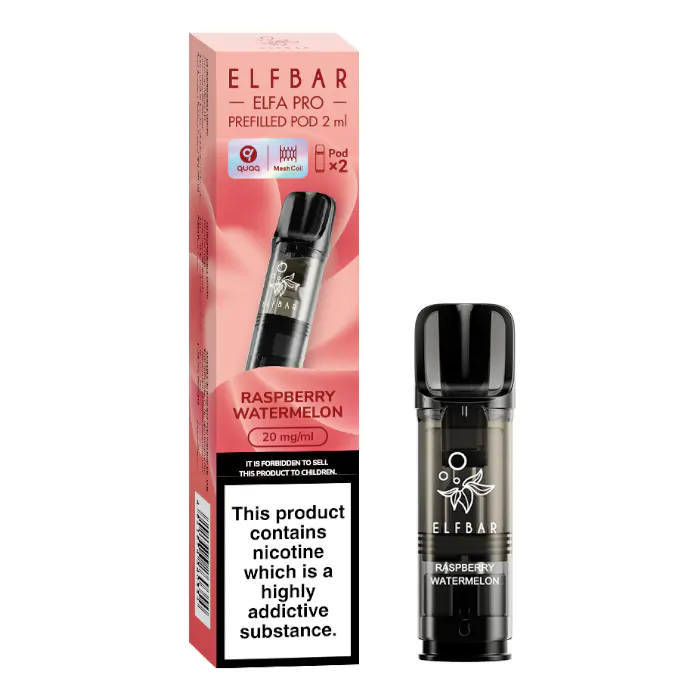
    Popular models include Uwell Caliburn G4 and Elfbar Elfa Pro—both follow TPD rules, using pods with only 2ml capacity, so they’re compliant with the law. These devices can deliver hundreds of puffs per pod, can be recharged, and the pods themselves simply snap into place magnetically, making them easy to swap. You can also use ELFLIQ nicotine salts for a softer throat hit and to have your craving satisfied quickly.

    These devices are compact and portable, ideal for everyday activities such as commuting or for former smokers looking for a similar sensation without hassle. Different manufacturers, including Voopoo Vinci or Geekvape, sometimes allow both mouth-to-lung and restricted direct lung vaping, offering extra variety. Models like Elfbar’s Elfa Turbo even feature mesh coils for bigger clouds and better taste. The cost is often lower over time, as pods cost around €3-5 and last longer, making them less wasteful than full disposables.

    Comparing Elfbar Disposables and Pod Systems

    FeatureElfbar DisposablesPod Systems
    Ease of UseJust inhale, no buttons or charging neededCharge battery and swap pods, still very simple
    Long-Term Costs€5-7 per device, frequent buying adds upStarter kit €7-10, then €3-5 per pod (more affordable long-term)
    CustomizationFlavors and strengths are fixedChoice of flavors, nicotine levels, adjust airflow
    ConsistencyTaste and nicotine drop near end of deviceConsistent flavor and vapor until pod change
    Environmental ImpactCan’t be recycled easily, heavy wasteBase reusable, parts recyclable, makes less waste overall
    PortabilityExtra-light, can use anywhereSlightly bigger but still pocket-friendly

    While Elfbar disposables excel at being easy-to-use and convenient, pod systems are ahead when it comes to savings, custom options, and strength of flavor. They also produce more vapor per puff and let you change flavors quickly and easily. Refillable pod systems work well with ELFLIQ or similar nicotine salt liquids, offering the same popular flavors in a way that harms the environment less.

    German Laws and German Vape Market

    In Germany, all vaping products need to follow the Tabakerzeugnisgesetz and the strict guidelines of the EU Tobacco Products Directive. This means companies must provide complete ingredient lists and health warnings, and vapes are only legally available to users over 18. Effective from 2025, taxes on e-liquid will also become higher, reaching €0.26 per milliliter. Furthermore, larger Elfbar models with sizable tanks or high nicotine are strictly banned, and new proposals are pushing for a total ban on disposables because they add significantly to environmental and city-waste problems.

    As a result, the market share of disposables has tumbled— once making up 40% in 2022, but forecasts project them dipping to just 10% by the end of 2025. Pod systems are gaining in this environment because they fit within current laws and there is no talk of banning them when staying under the tank and nicotine thresholds. Meanwhile, flavoured disposables that try to exceed the limits attract additional government attention. Restrictions on when and where people can vape are similar to those for smoking—no vaping in bars or trains, for example. Offering or carrying more than allowed can lead to product confiscation and fines, especially after Germany cracked down on the market in 2023.

    What’s the Best Choice for Germans?

    People who want pure simplicity, for occasions like parties or to experiment for the first time, will find Elfbar disposables convenient and easy to use. Legal versions like the Elfbar 600 carry bright, fruity ELFLIQ-inspired flavors and are ready straight from the package. Anyone who vapes regularly is likely to notice real benefits—both financial and environmental—by moving to pod systems. These can halve your cost thanks to reusable technology, and you won’t be throwing away nearly as many batteries or plastics. Elfbar themselves have diversified into pod technology, so favorite flavors carry over seamlessly.

    If you care about environmental issues or want to avoid the confusion of future bans, pod systems are a safer choice. Both types of devices contain nicotine salts and do not have the same health risks as cigarettes—vaping is considerably safer—but neither is risk-free. Trying ELFLIQ flavor in pods is a good gateway into sustainable vaping or helps lower your nicotine over time. For those looking for occasional use, an Elfbar disposable is enough, just stick with the ones that are TPD-legal to stay out of trouble. Anyone thinking longer-term, however, should go for a pod system for its better value, flexibility, and compliance with future regulations.